Map the route before the truck type
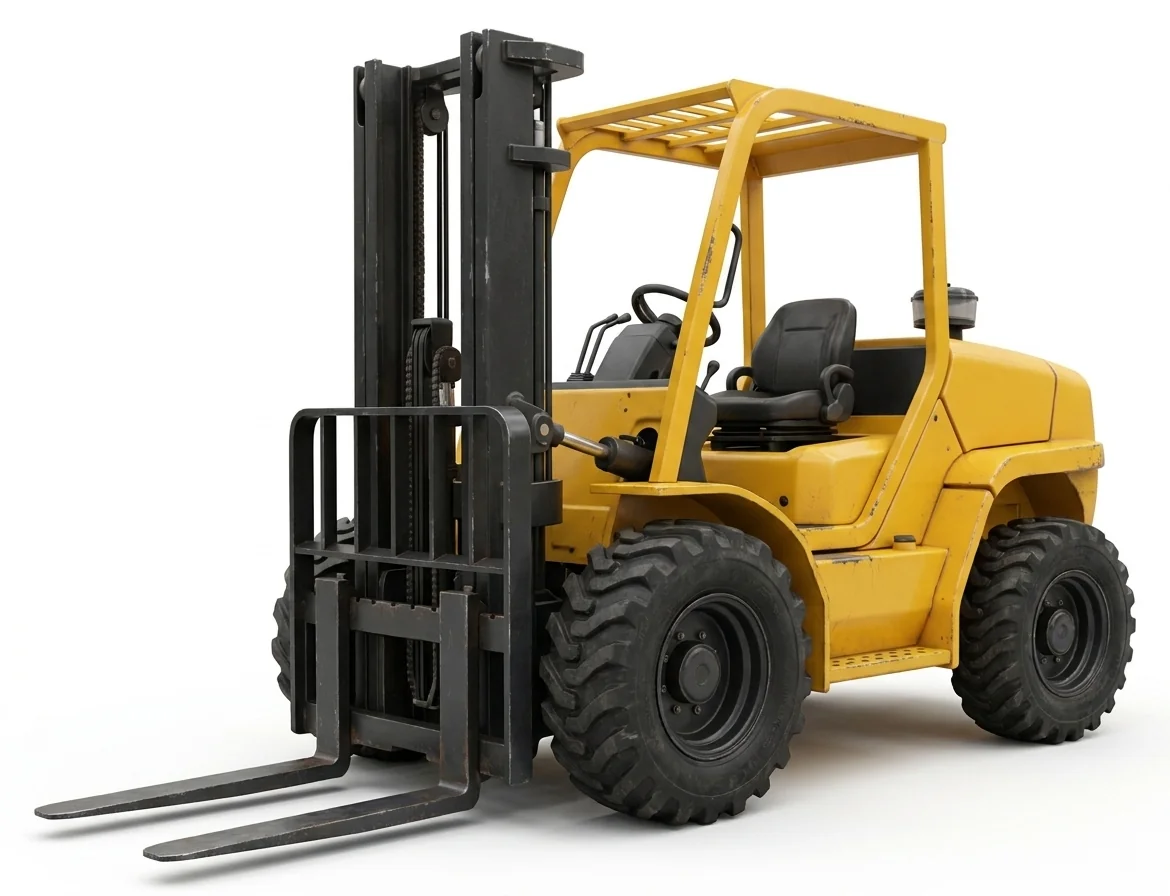
- Aisle width and turning space at the rack face determine chassis class and mast height.
- Doorway heights, dock levelers, and thresholds can limit overall mast or overhead guard clearance.
- Surface type from yard to floor: soft, wet ground outside versus polished slab inside.
Local conditions that influence selection
- Humid weather and frequent storms can leave outdoor approaches soft; plan transitions between yard and dock that keep the forklift on supported surfaces.
- Many local distribution buildings run tall racking, so lift height and stability at the top position matter.
- Healthcare interiors and finished spaces call for low-emission units and non-marking tires to protect floors.
Specs that narrow the pick
- Load weight and center of gravity compared to rated capacity through lift range.
- Mast type and maximum lift height to reach upper rack levels or mezzanines.
- Truck width and turning radius to clear end-of-aisle swing without encroaching into traffic lanes.
When a forklift is not the right tool
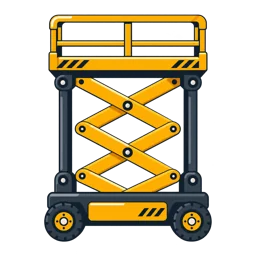
If materials must be placed over obstacles or onto elevated decks from outside, see /telehandler-rental/. For tasks that are purely people-at-height rather than pallet movement, compare /electric-scissor-lift-rental/ or /aerial-lift-rental/.
Coordination in active Lakeland facilities
Plan crossings with busy loading lanes and verify staging that avoids blocking inbound carriers. Moisture on polished floors changes traction; site procedures and the selected unit’s instructions set the limits for travel and stacking.