Define the perimeter and loads
- Is the barrier separating pedestrians from forklifts, or just guiding foot traffic? Vehicle interaction demands stronger panels and wider offsets.
- Are there gates for lift equipment, delivery trucks, or carts? Gate width and swing direction must match the approach route.
- Will panels sit on pavement, compacted fill, or grass? Base stability depends on ground type and recent rainfall.
Lakeland conditions that change the setup
- Sandy soils soften quickly during downpours. Heavier bases or ground-rated site-stability planning help panels resist lean and creep.
- Storms can arrive during shift changes. Plan for water flow so barricades don’t trap runoff across docks and entries.
- Industrial corridors see frequent trailer movement; high-visibility barricades and clear sightlines reduce near-misses.
Panel choice and layout
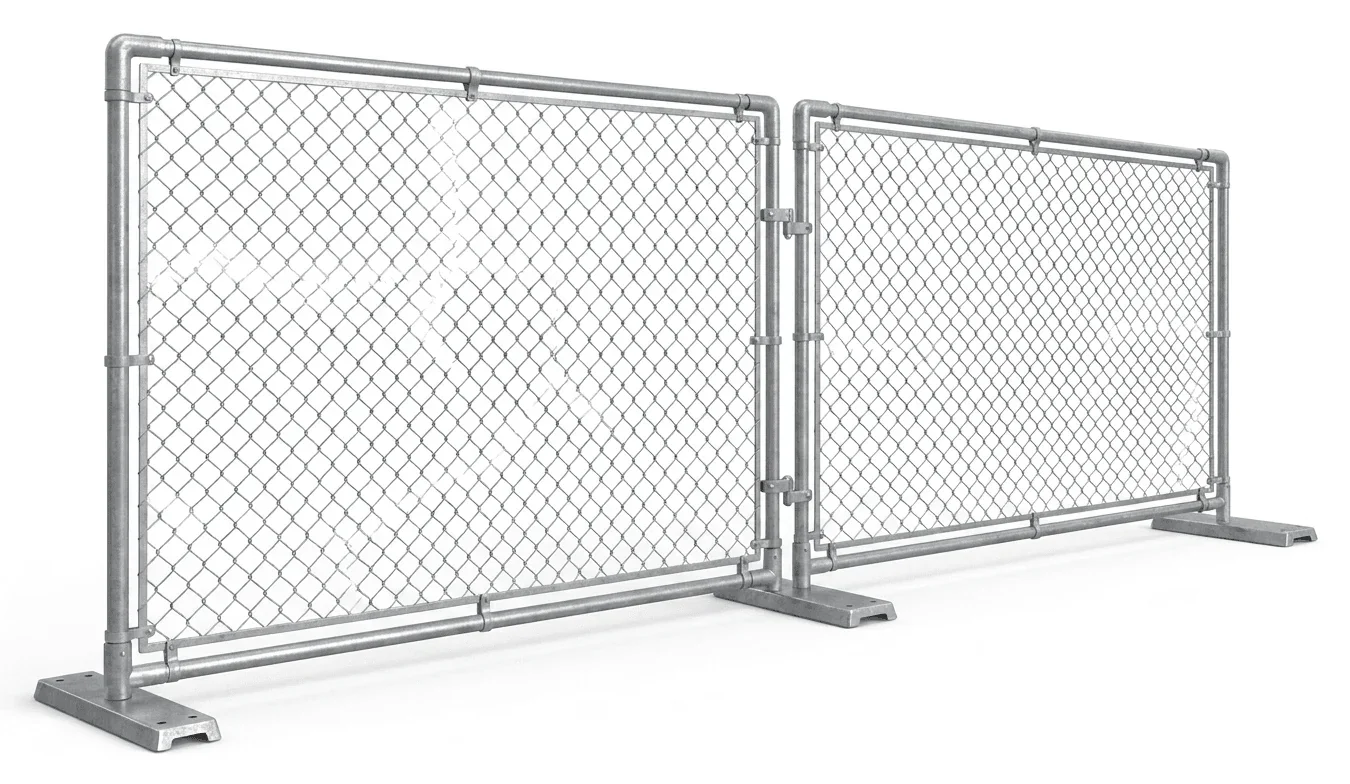
- Opaque screening can reduce dust and views on sensitive sites but increases wind load. On exposed edges, open-mesh panels typically handle gusts better.
- For interior warehouse lanes, low-profile barricades define equipment aisles without blocking overhead signs.
- Emergency egress paths must remain clear; place panels to maintain required widths and direct lines to exits.
Connections with other site products
- For night work or events, pair barricades with /generators-light-towers-rental/ to illuminate entries and gate checks.
- To secure parts and tools within the perimeter, stage /storage-containers-rental/ nearby with ramp access and lighting.
- Elevated inspections over the fenced area may require /aerial-lift-rental/ or /boom-lift-rental/; verify surface and reach.
Field checks
Actual site conditions, the selected product’s instructions, and site procedures govern. After heavy rain in Lakeland, confirm bases remain seated, gates swing freely, and channels still guide people where intended.