Start with the job geometry
- Can the generator or light tower sit outside the active work area, or does it need to fit inside an aisle or staging lane?
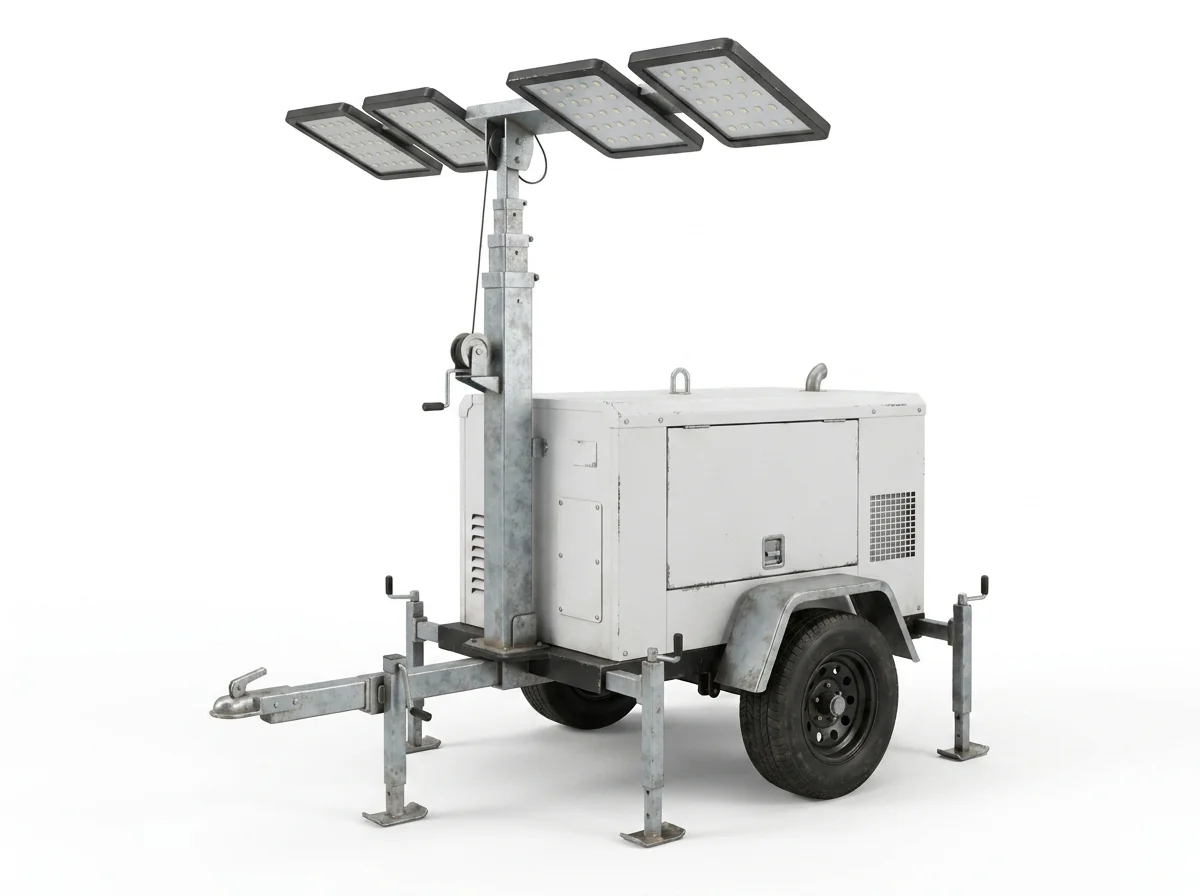
- Is the light pointing across wide aprons, dock alleys, or into high-bay racking? Beam spread and mast height matter more than raw lumen numbers when obstacles break lines of sight.
- How many circuits or fixtures are truly simultaneous? Peak draw during start-up is different from steady load.
What Lakeland conditions change the choice
- Humidity and frequent rain mean cords, connectors, and enclosures face moisture. Weather-rated distribution and elevated cable routing reduce nuisance trips and downtime.
- Saturated, sandy soils at industrial sites can soften after storms. A stabilized pad or paved placement keeps towable towers and generators level so masts extend correctly and fuel systems stay consistent.
- Night work around local distribution buildings often overlaps with forklift and yard-tractor movements. Compact footprints and clearly defined light zones reduce conflicts.
Narrow by placement and route
- Access width and turning radius decide whether a skid-mounted unit can be set by a forklift or if a towable footprint is required. Check if the approach crosses grates or soft edges.
- Indoor tasks: evaluate ventilation and emissions. For enclosed slab work, power distribution off an outdoor prime unit may be better than placing combustion equipment inside.
- Outdoor tasks near docks: plan cable runs around dock levelers and doors. Confirm mast height clears canopies while still casting light across staging lanes.
Run-time and noise window
- Warehouse maintenance and shift changes often demand long run cycles with minimal refueling during peak movements. Extended tanks and auto-start features can reduce interruptions.
- Nearby offices and residential edges may have noise windows. Placement around building corners or using shorter mast angles can limit spill and sound.
Related access equipment
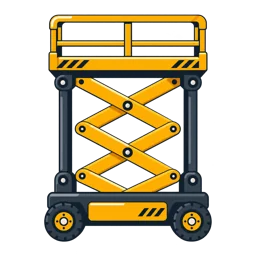
If the lighting plan supports elevated inspections or sign-offs in high-bay spaces, compare lift types: - For smooth indoor slabs and narrow aisles, see /electric-scissor-lift-rental/ and /vertical-mast-lift-rental/. - For exterior punch lists on uneven yards, see /rough-terrain-scissor-lift-rental/ and /articulating-boom-lift-rental/.
When weather shifts mid-task
Actual site conditions, the selected unit’s instructions, and site procedures govern. In Lakeland, pop-up storms can change ground bearing and visibility quickly. Build in buffer for refueling, ground checks, and repositioning after heavy rain.