Start with placement and traffic
- Can the container rest on a paved pad, or is it going on compacted fill that softens after heavy rain?
- Will forklifts, pallet jacks, or carts approach straight on, or at an angle? Door swing and ramp space decide how quickly crews load.
- Near loading docks, confirm that trailer turns and emergency access aren’t pinched by the box footprint.
Lakeland-specific conditions
- High humidity and sudden showers challenge seals and flooring. If storing paper goods, finishes, or electrical components, consider gasket condition and ventilation to limit condensation.
- Sandy subgrades can settle under point loads. Spreading weight and checking level helps doors track and latch properly after storms.
- Industrial corridors along the interstate experience frequent equipment movement; placing containers inside fenced compounds or with controlled sightlines reduces conflicts.
Size, access, and interior layout
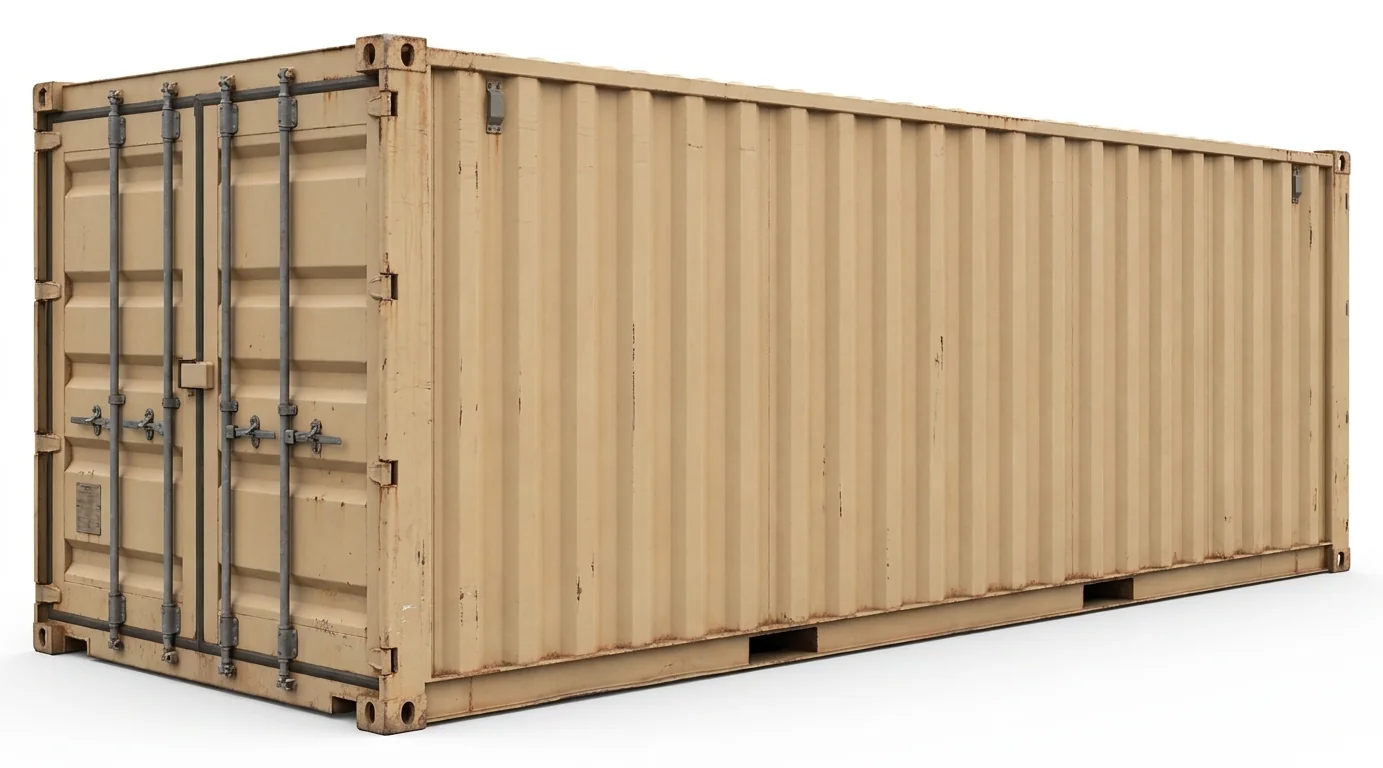
- Door style governs speed: double doors for wide pallets; personnel doors for frequent grab-and-go parts.
- Length is only helpful if the aisle remains passable. In tight yards, shorter boxes staged closer to the task reduce backtracking.
- Shelving and tie-off points affect usable volume; note ceiling height relative to common pallet stacks.
Security and visibility
- Lighting around the box matters during night work. If power isn’t nearby, coordinate mobile lighting from /generators-light-towers-rental/ so doors, ramps, and ground are visible.
- If the container sits near patient areas or offices, consider line-of-sight and screening via /temporary-fencing-barricades-rental/ to separate public and construction paths.
Ground truth before delivery
Actual site conditions, the unit’s instructions, and facility procedures govern final placement. After heavy rain in Lakeland, re-check bearing and level so doors stay aligned.